7 hr 30 min
Tabarca Island Catamaran with Underwater Viewing
- Expert local guide
- Small group
- Skip-the-line access
- Free cancellation
Torrevieja Boat Trips to Tabarca — Catamarans & Ferries
Twenty-minute crossings to Spain's smallest inhabited island, marine reserve waters below
Compare fares, pick the fit — all bookings are mobile-voucher and eligible for free cancellation where shown.
7 hr 30 min
6 hr
25 min
Selecting the right ticket for your torrevieja boat trips to tabarca requires considering whether you prefer a standard round-trip excursion or a specialized vessel experience. These maritime voyages provide access to the Mediterranean's first marine reserve.
|
Top pick Standard Excursion Round Trip Ticket |
Private Charter Group Experience | |
|---|---|---|
| Ticket Price (Adult) | 29 EUR | Upon Request |
| Included Features | Underwater vision and round trip | Customized itinerary and skipper |
| Duration | Approx. 1 hour each way | Variable by package |
| Availability | Daily departures | By reservation |
| Best for | First-timers and families | Private groups and special events |
| See tickets & prices |
Verdict: For most visitors planning torrevieja boat trips to tabarca, the standard round-trip ticket is the ideal choice for a convenient day out.
Worth it for marine reserve enthusiasts
Torrevieja boat trips to Tabarca deliver a compact Mediterranean marine reserve experience at 29 EUR per adult for the round-trip journey. The value hinges on what draws you: if you're after crystalline waters, snorkeling around protected seagrass meadows, and exploring a fortified island village, the price is fair. The underwater viewing catamarans add a passive wildlife glimpse without getting wet. Time on Tabarca itself is typically limited to three hours—enough to swim off rocky coves, walk the 500-meter islet, and sample fresh seafood at harbourside restaurants. The crossing takes roughly 45 minutes each way. For families prioritizing beach time or travelers seeking a full-day island escape, the constrained schedule feels rushed. Coastal sailing alternatives like the Costa Blanca catamaran tours offer open-water adventure without the island stop, which suits different tastes. Torrevieja boat trips to tabarca tour operators run daily departures from 10:45, giving you predictable logistics. The marine reserve designation means richer fish populations and clearer water than mainland beaches—a tangible upgrade if snorkeling or underwater observation matters to you.
Bottom line: The excursion pays off if you value marine biodiversity and a fortified island micro-adventure over extended beach lounging.
These options provide distinct travel experiences, with Santa Pola offering a faster transit while torrevieja boat trips to tabarca tours prioritize a longer, scenic maritime excursion.
|
Top pick Torrevieja Marina |
Santa Pola Ferry | |
|---|---|---|
| Journey time | 40–50 minutes | 15–20 minutes |
| Frequency of departures | Daily morning sailings | Multiple daily departures |
| Port accessibility | Central marina location | Central port access |
| On-board experience | Sightseeing cruise vessel | High-speed passenger ferry |
| Island proximity | Direct arrival at Tabarca | Direct arrival at Tabarca |
| See tickets & prices |
Verdict: Choose the Santa Pola ferry for efficient transport, or book torrevieja boat trips to tabarca tickets to enjoy a more relaxed sea voyage as part of your island day out.
Hand-picked experiences loved by thousands of travelers
2 hours
Free Cancellation
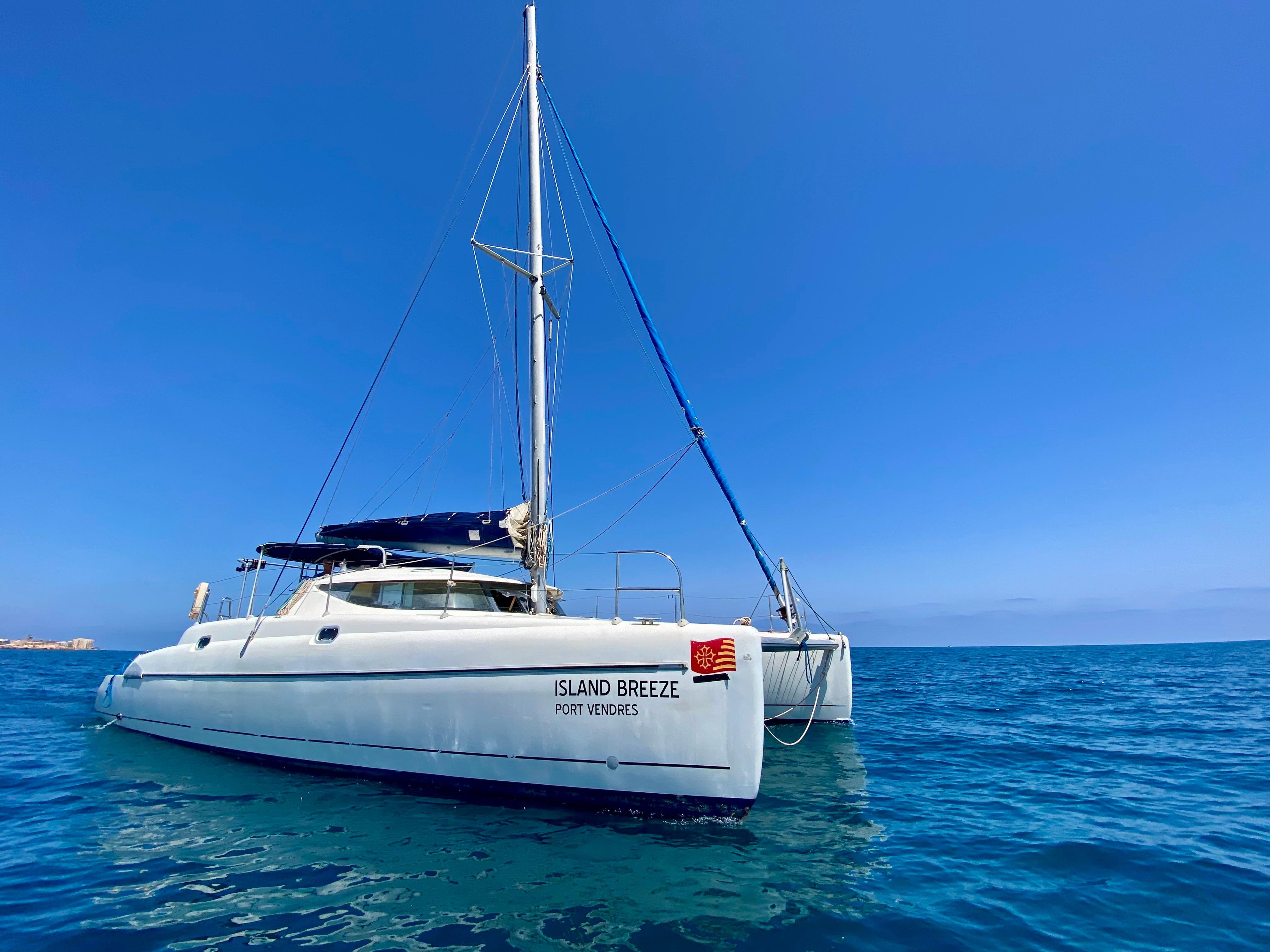
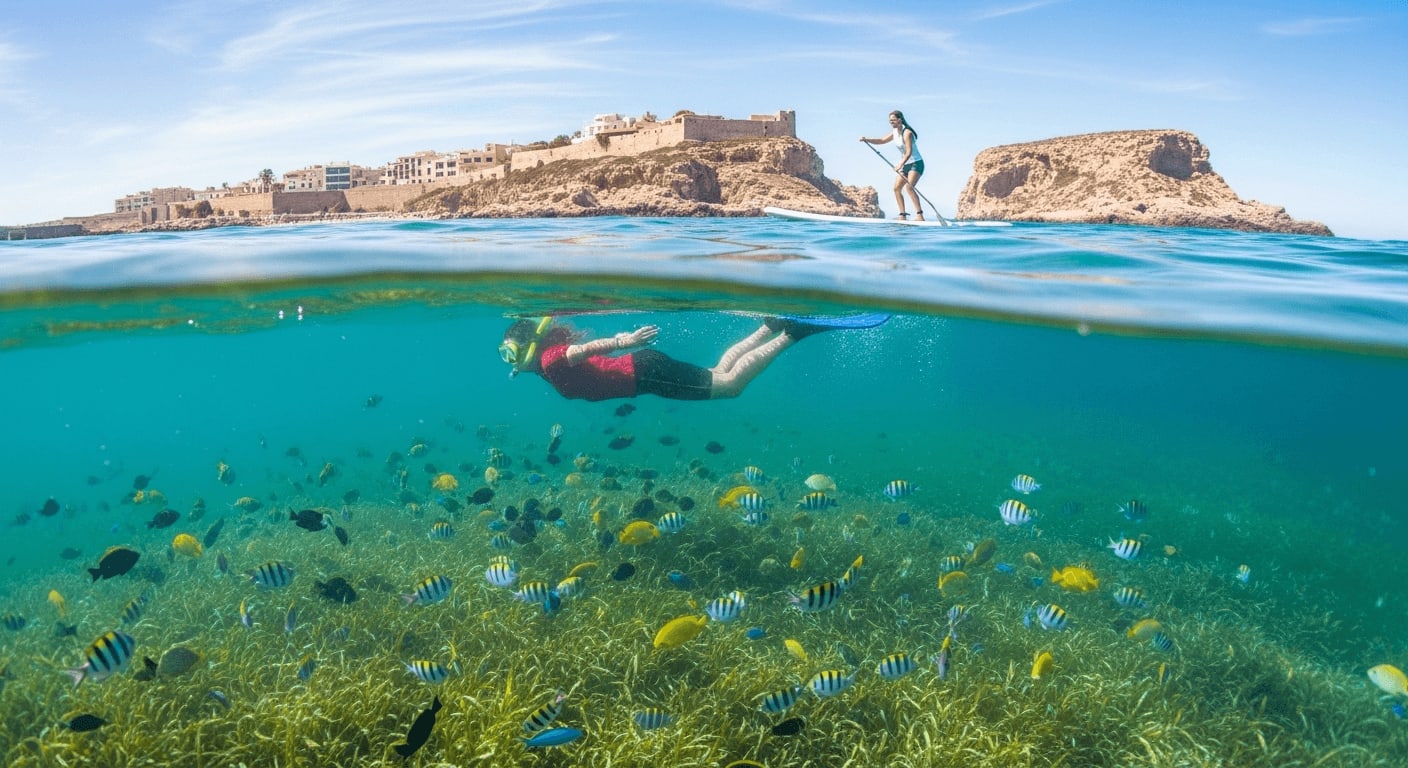
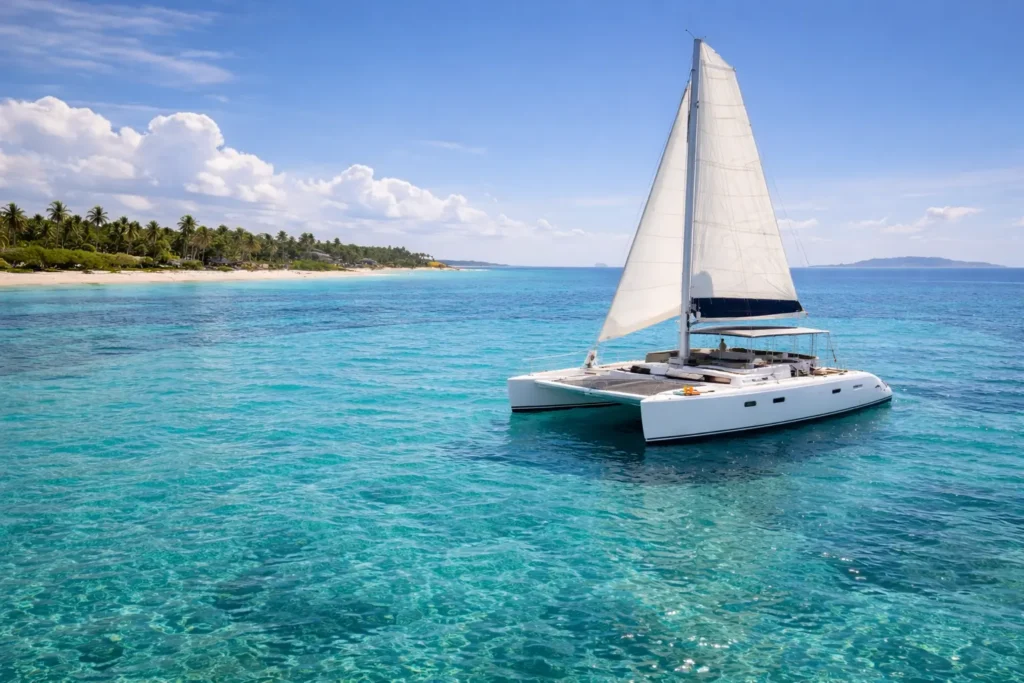
Sail the Torrevieja coast aboard a catamaran with swimming, paddleboarding, and snorkeling stops.
2 hours
Free Cancellation
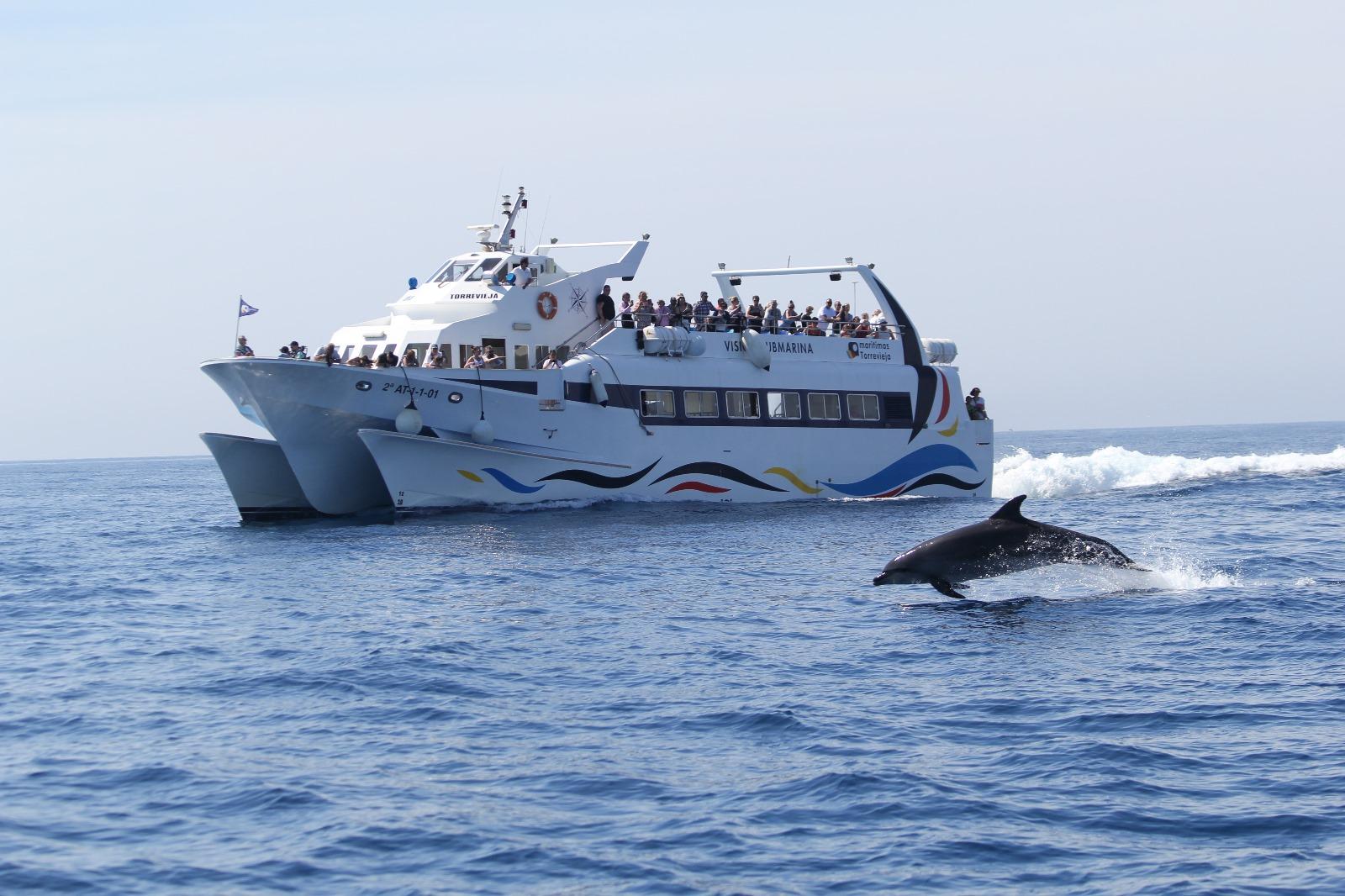
Cruise Torrevieja's stunning coastline aboard a spacious catamaran with swimming, sunbathing, and dolphin spotting opportunities
15 minutes
Free Cancellation
Sail to a Mediterranean gem with flexible multi-day return tickets and explore pristine coves at your own pace.
6 hours
Free Cancellation
Six-hour sailing adventure to Spain's first marine reserve with snorkeling, paella lunch, and coastal views
2 hours
Free Cancellation
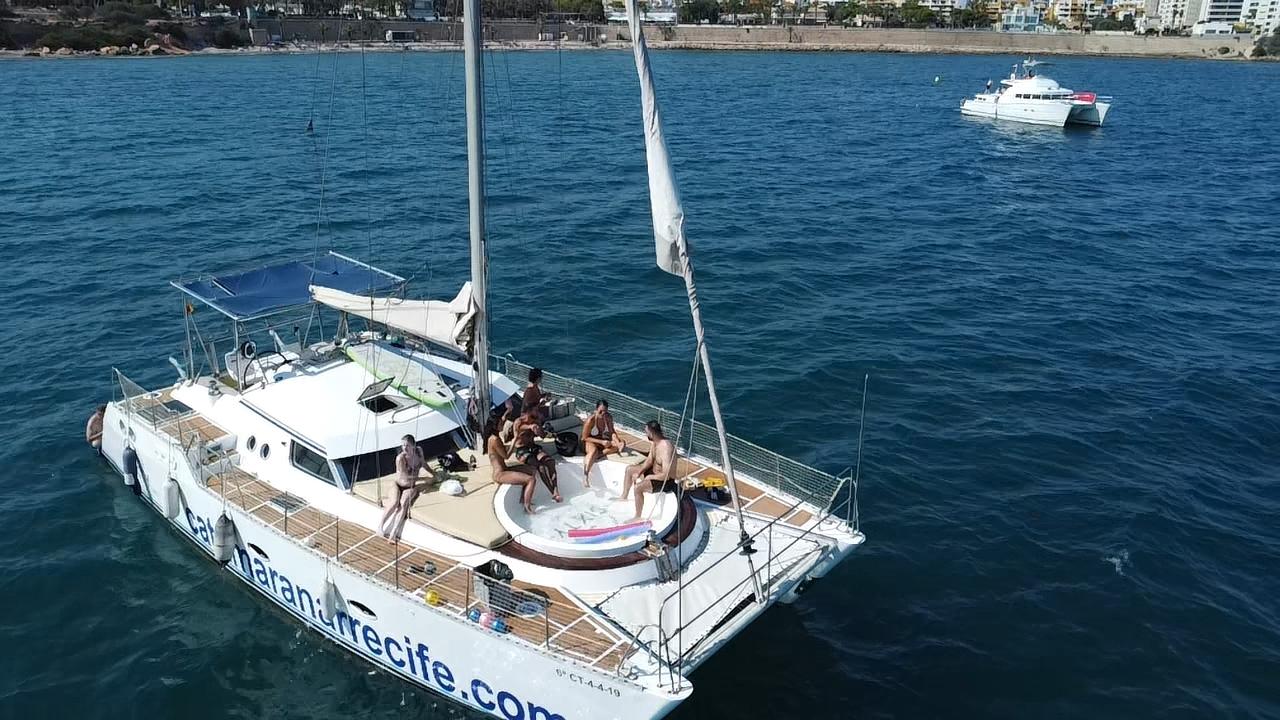
Two-hour luxury catamaran cruise along the Costa Blanca with onboard hot tub, paddleboarding, and snorkeling
9 hours
Free Cancellation
Discover Torrevieja's striking pink salt lake, sail to Spain's tiniest inhabited isle, and wander a historic Roman port.
2 hours
Free Cancellation
Sail Costa Blanca's stunning coastline aboard a premium yacht with swim stops and complimentary water gear
25 minutes each way
Free Cancellation
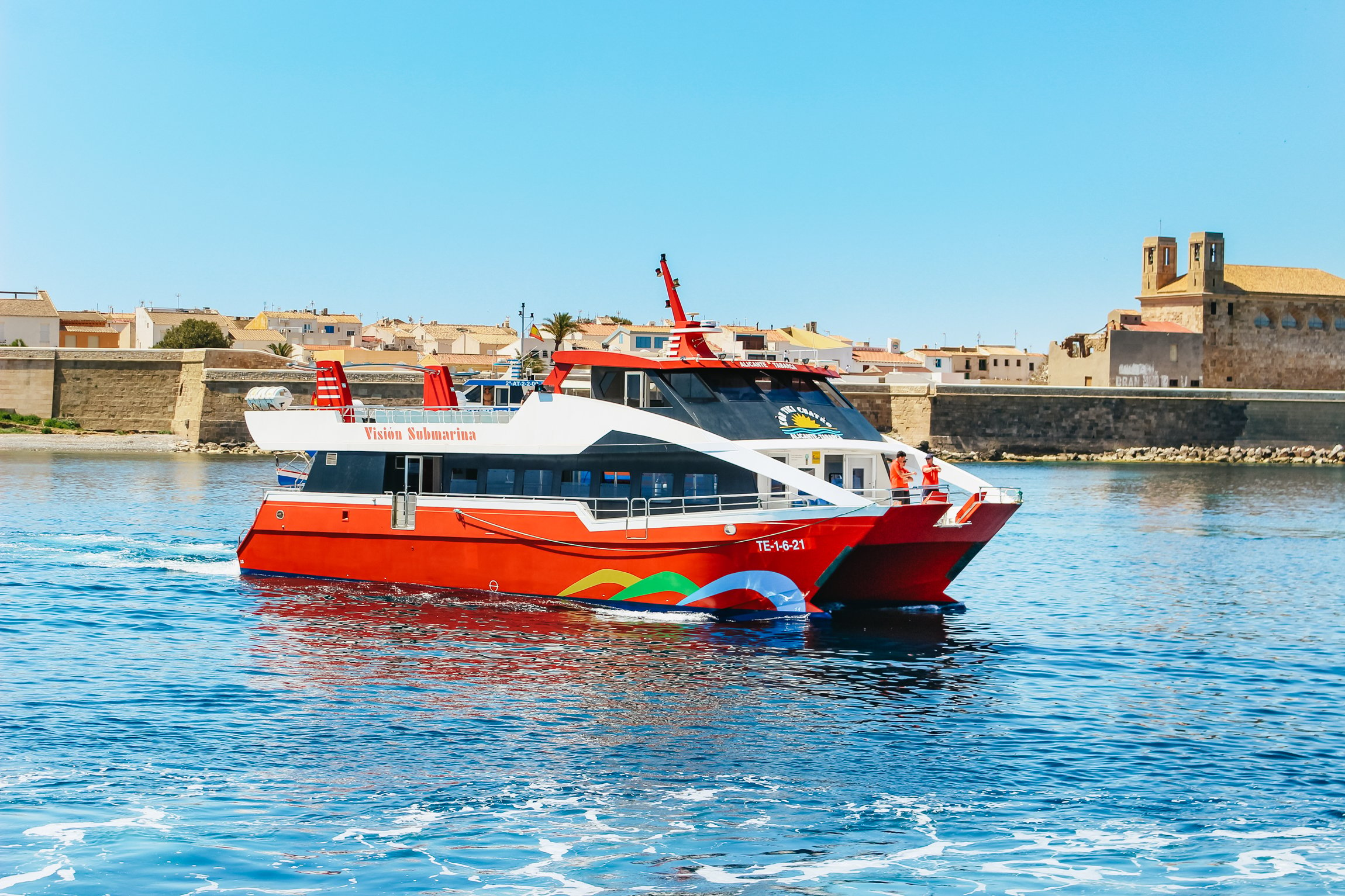
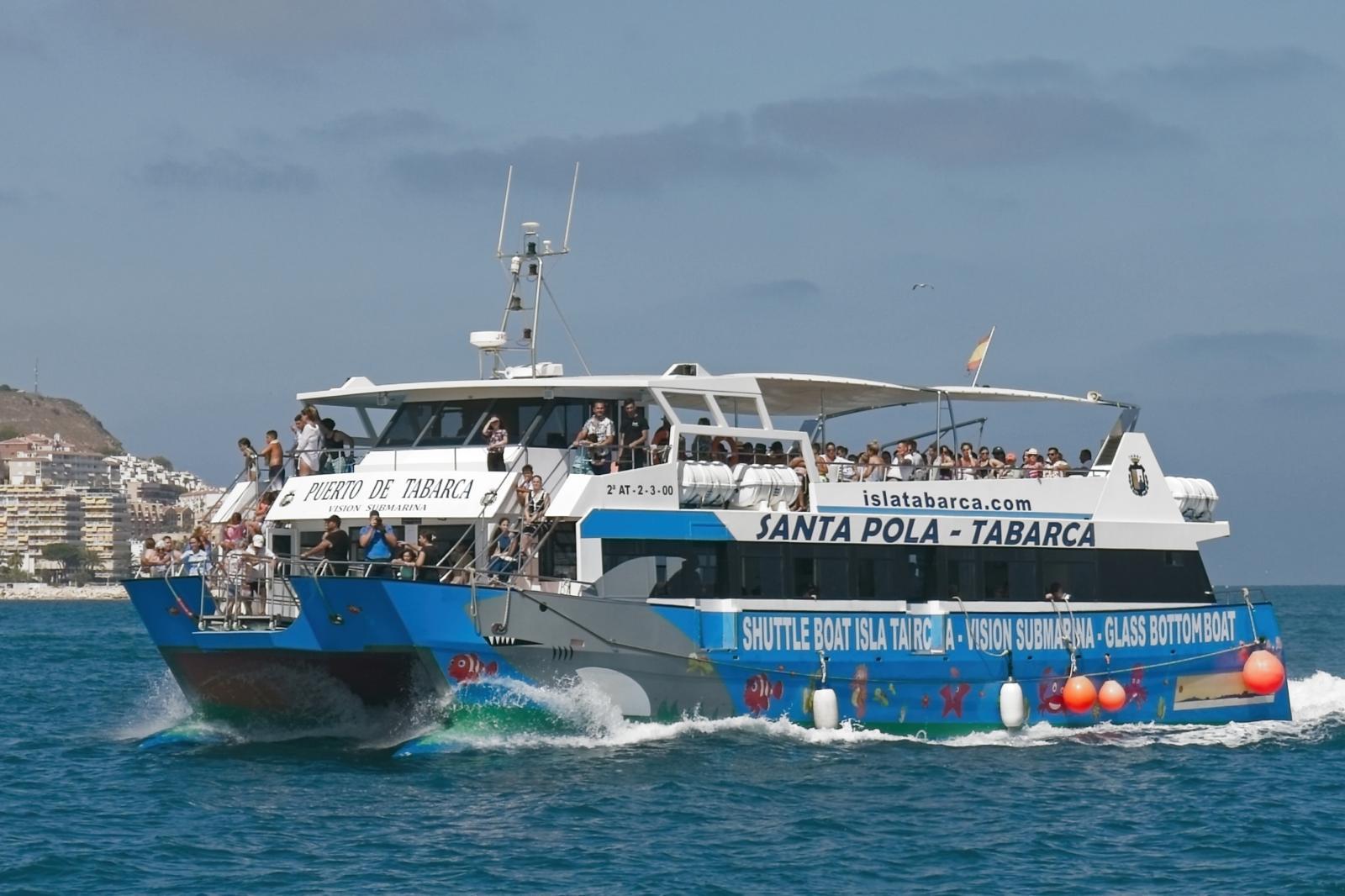
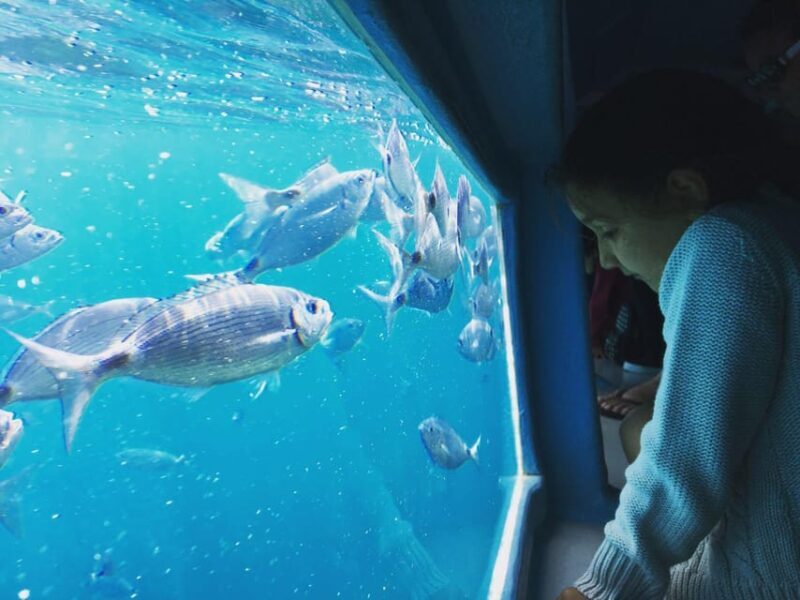
Sail to Tabarca Island aboard a glass-bottom boat with underwater viewing windows through a protected marine reserve.
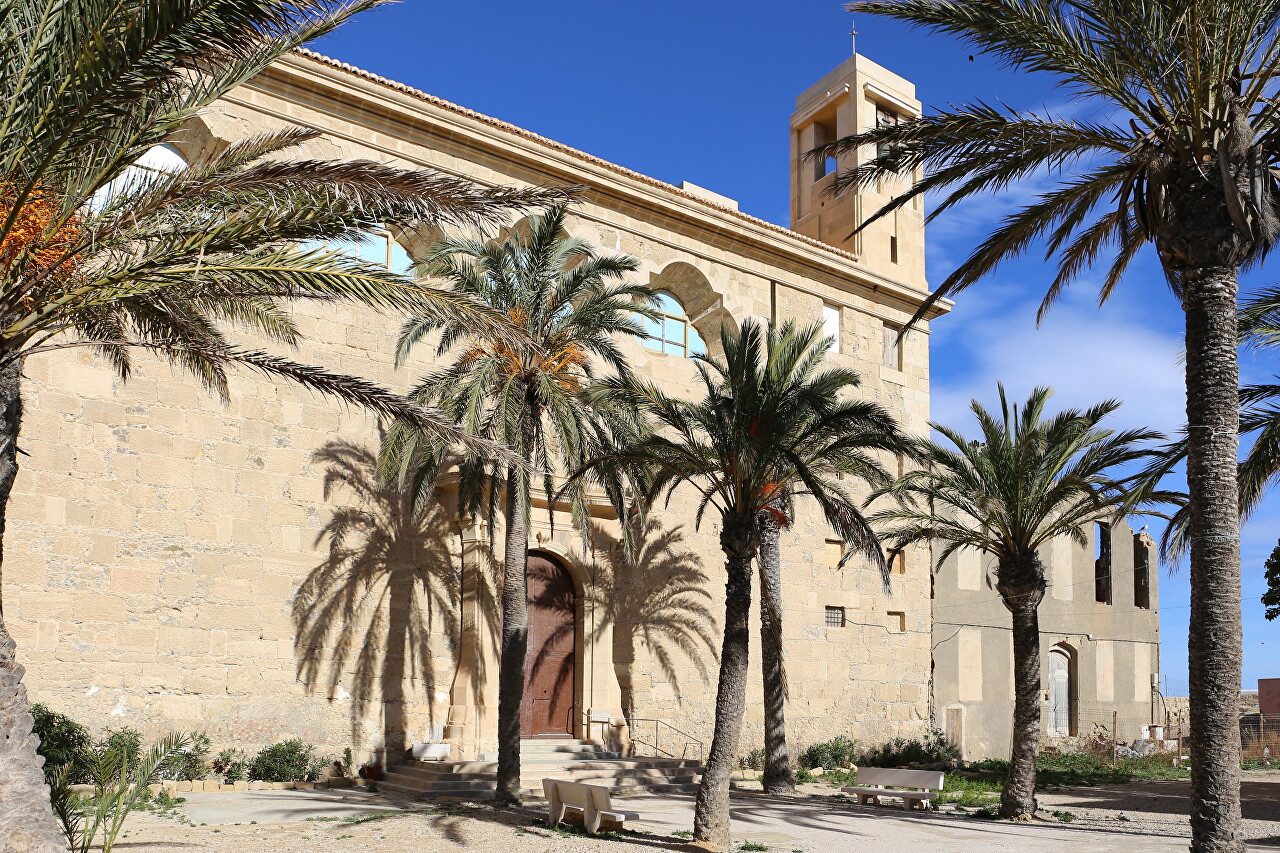
A baroque-style church that stands as a central historical landmark on the island. It was constructed as part of the 18th-century resettlement plan.
This building served as the administrative center for the island's governor during the 18th century. It remains a key piece of the island's colonial history.
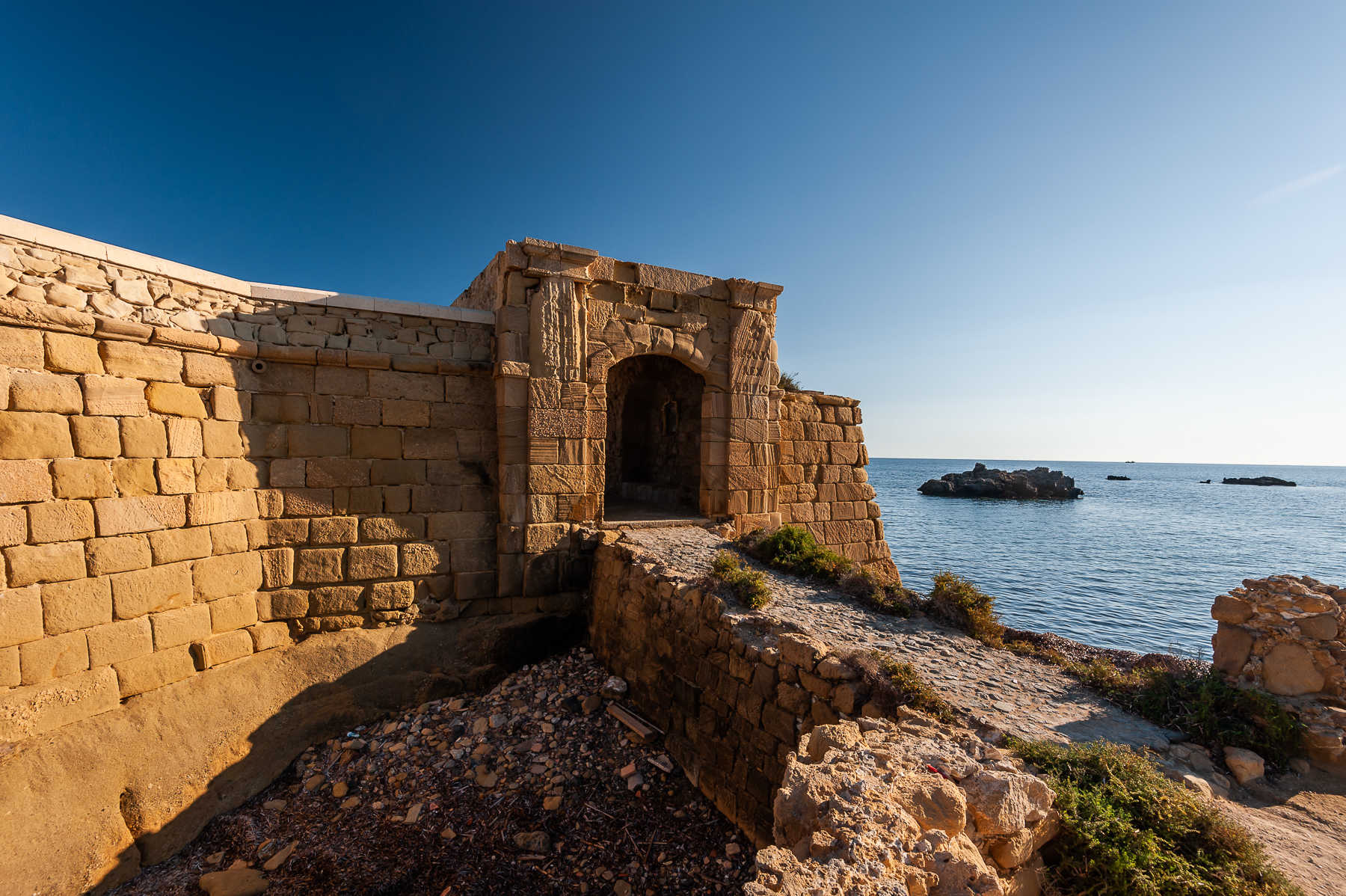
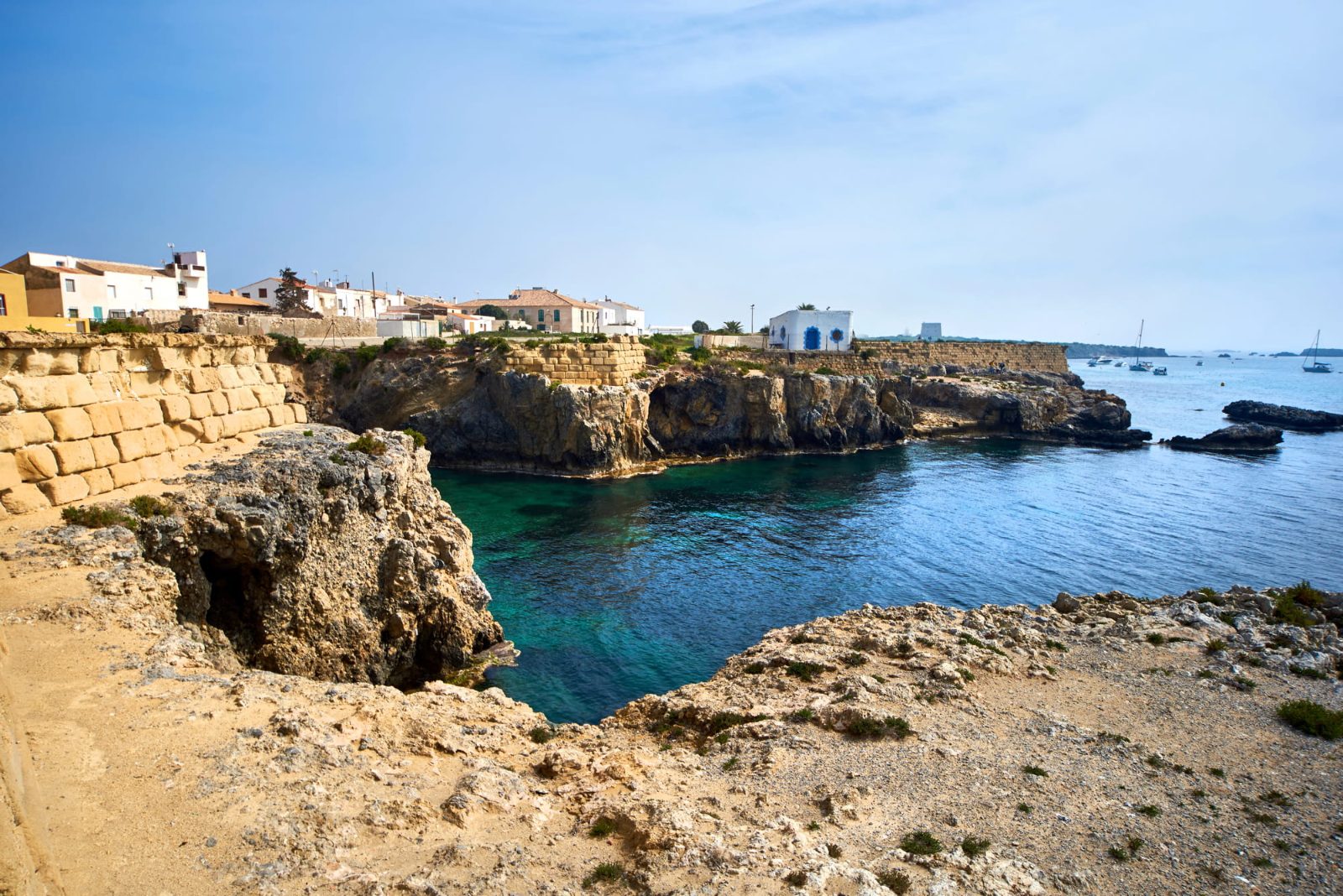
Extensive 18th-century stone fortifications built to protect the inhabitants from Barbary pirates. These walls still surround a significant portion of the town.
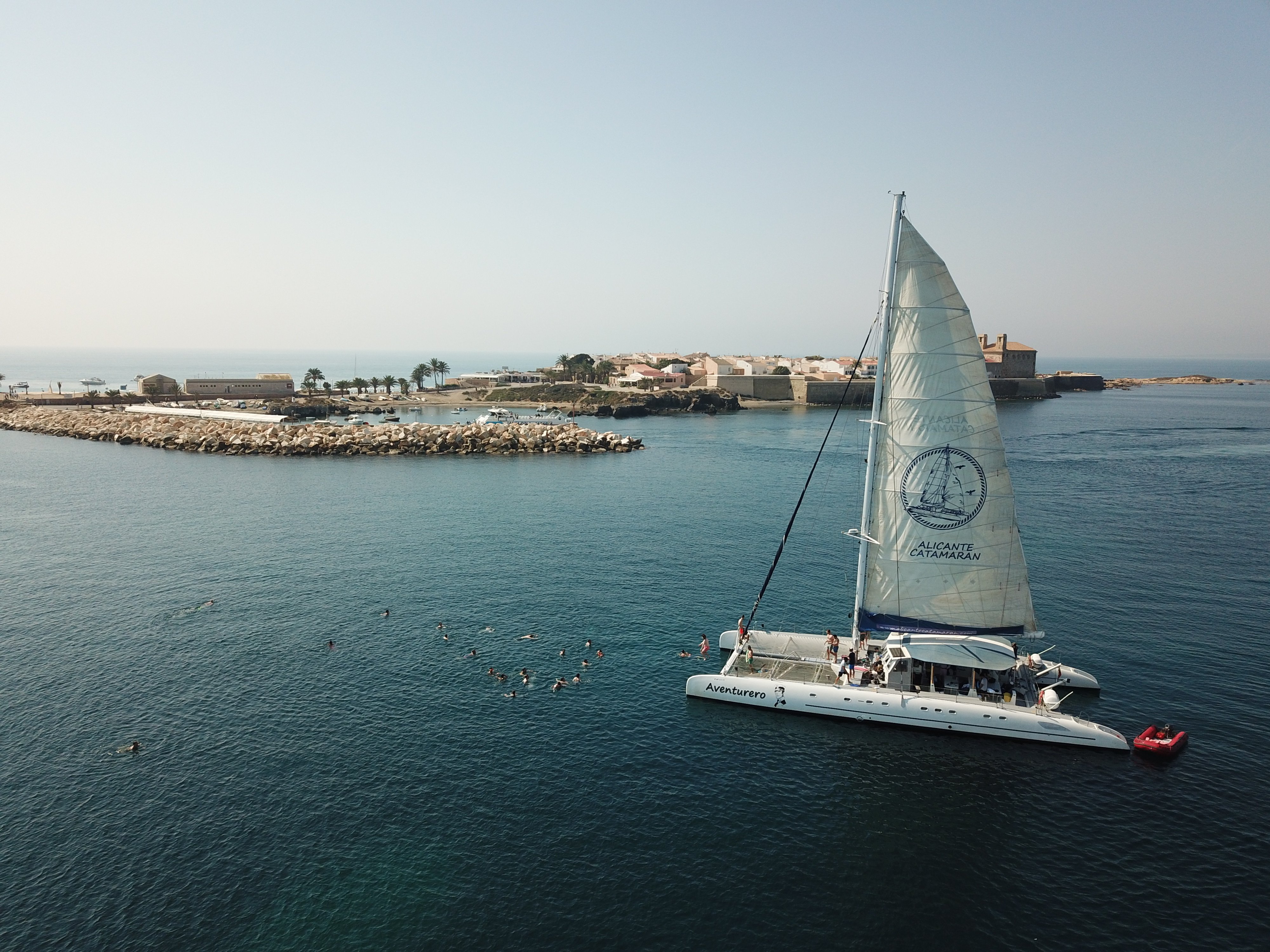
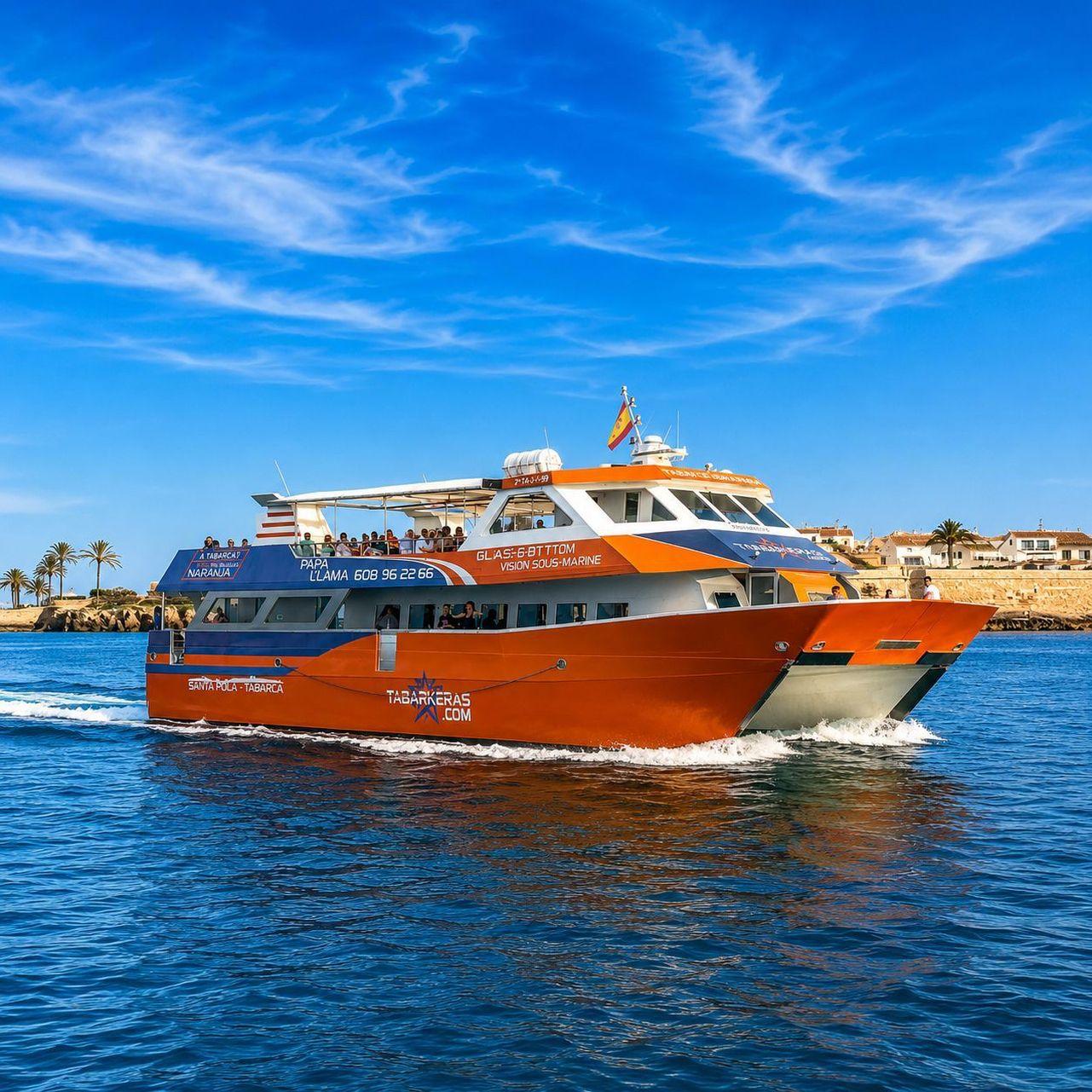
A specialized section of the catamaran with glass panels allowing passengers to view the marine reserve seabed. Visitors can observe seagrass meadows and native Mediterranean fish.
Spain's first protected marine reserve, established in 1986 to safeguard local biodiversity. The area is renowned for its turquoise water and diverse aquatic life.
All the details about your upcoming adventure in one place
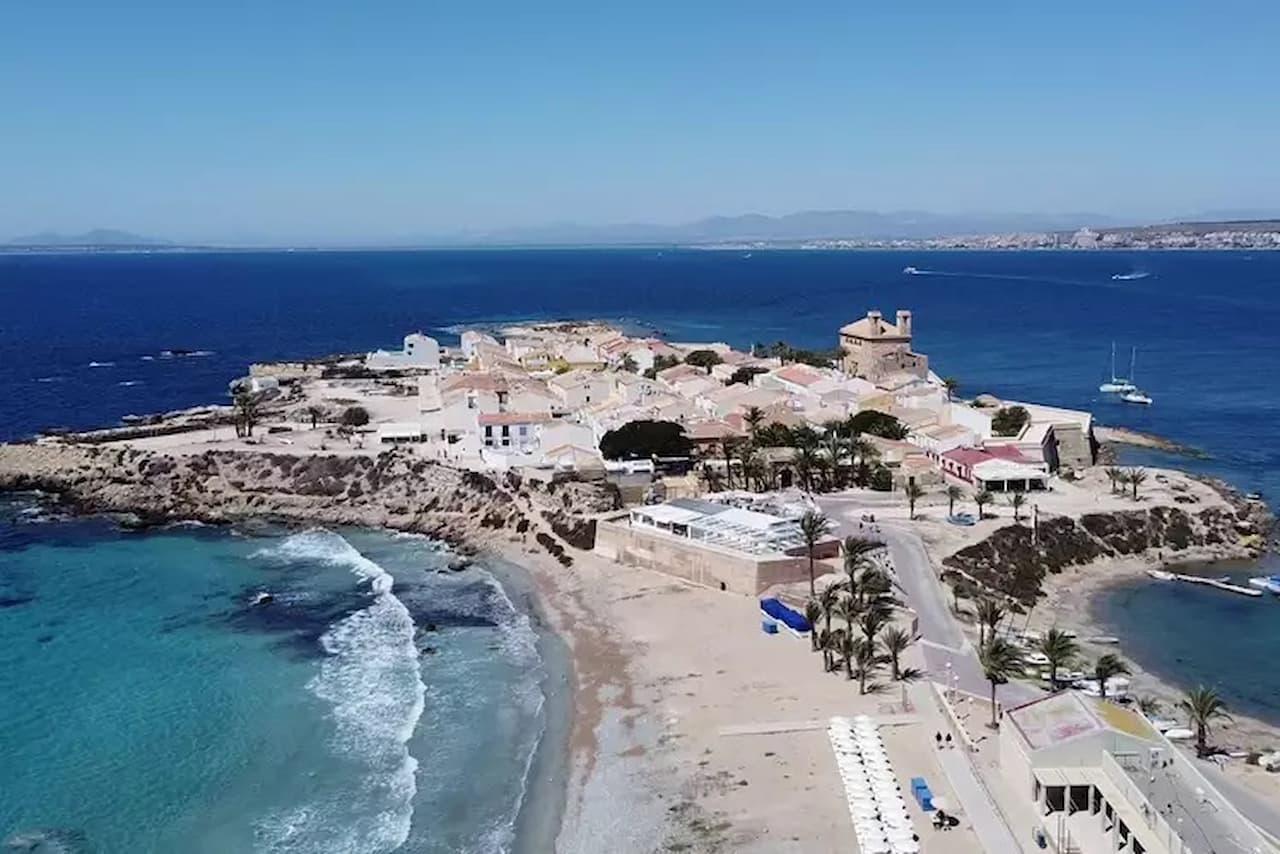
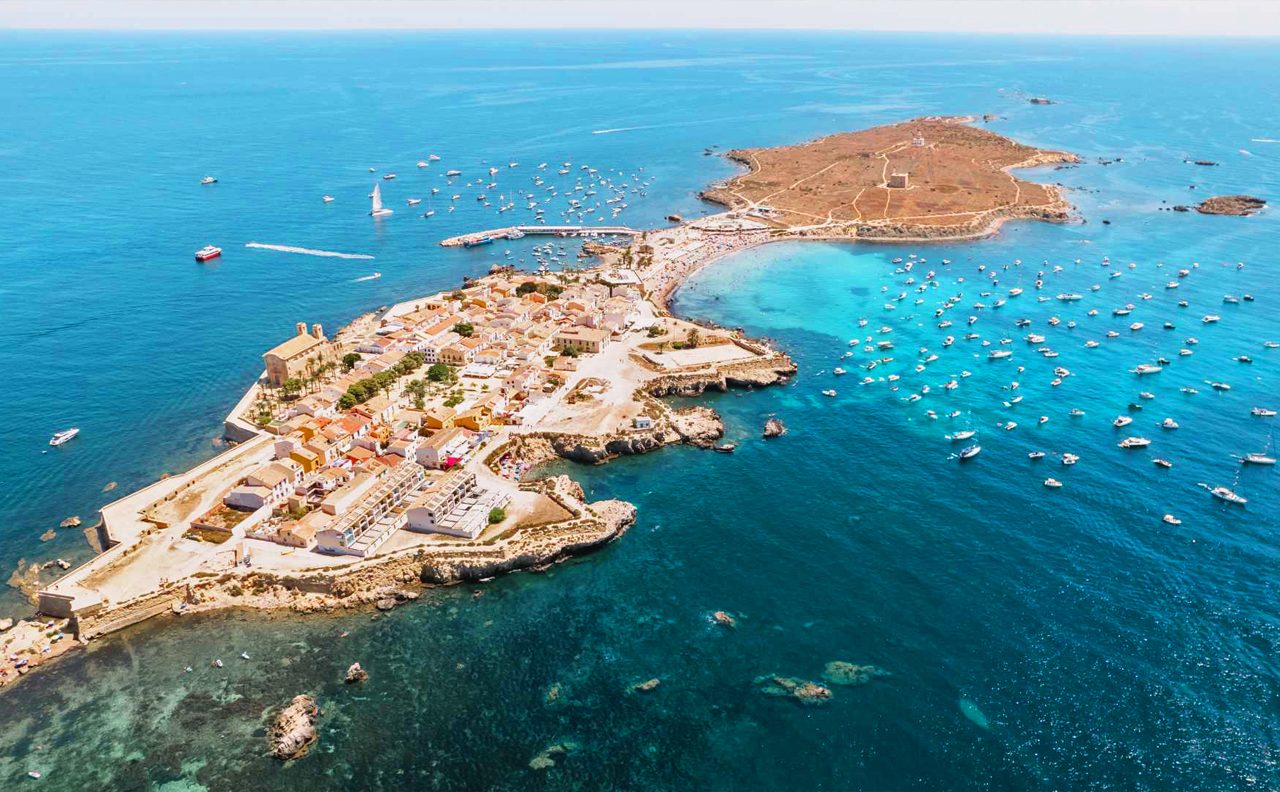
Tabarca remains the only permanently inhabited island in the Valencian Community, a limestone outcrop eleven kilometres offshore from Alicante and twenty from Torrevieja, measuring just 1,800 metres end to end.
The island's fortified walls date to 1770, when Carlos III resettled Genoese families rescued from Tunisian captivity and ordered military engineer Fernando Méndez to design a defensive grid against Barbary raids. The walled quarter — Plaza de San Pedro, the governor's house, the Church of San Pedro y San Pablo — earned Conjunto Histórico-Artístico status in 1964, making it one of Spain's earliest protected townscapes.
In 1986 the waters surrounding Tabarca became Spain's first Marine Reserve, protecting 1,400 hectares of Posidonia meadows and endemic Mediterranean species. The reserve designation halted overfishing and allowed grouper, bream, and octopus populations to recover. Snorkelers now encounter schools of salema and painted comber above the seagrass beds that anchor the island's eastern coves. The reserve's boundaries extend 4,000 metres offshore, enforced by Generalitat patrols and seasonal mooring restrictions. Commercial trawling remains prohibited year-round.
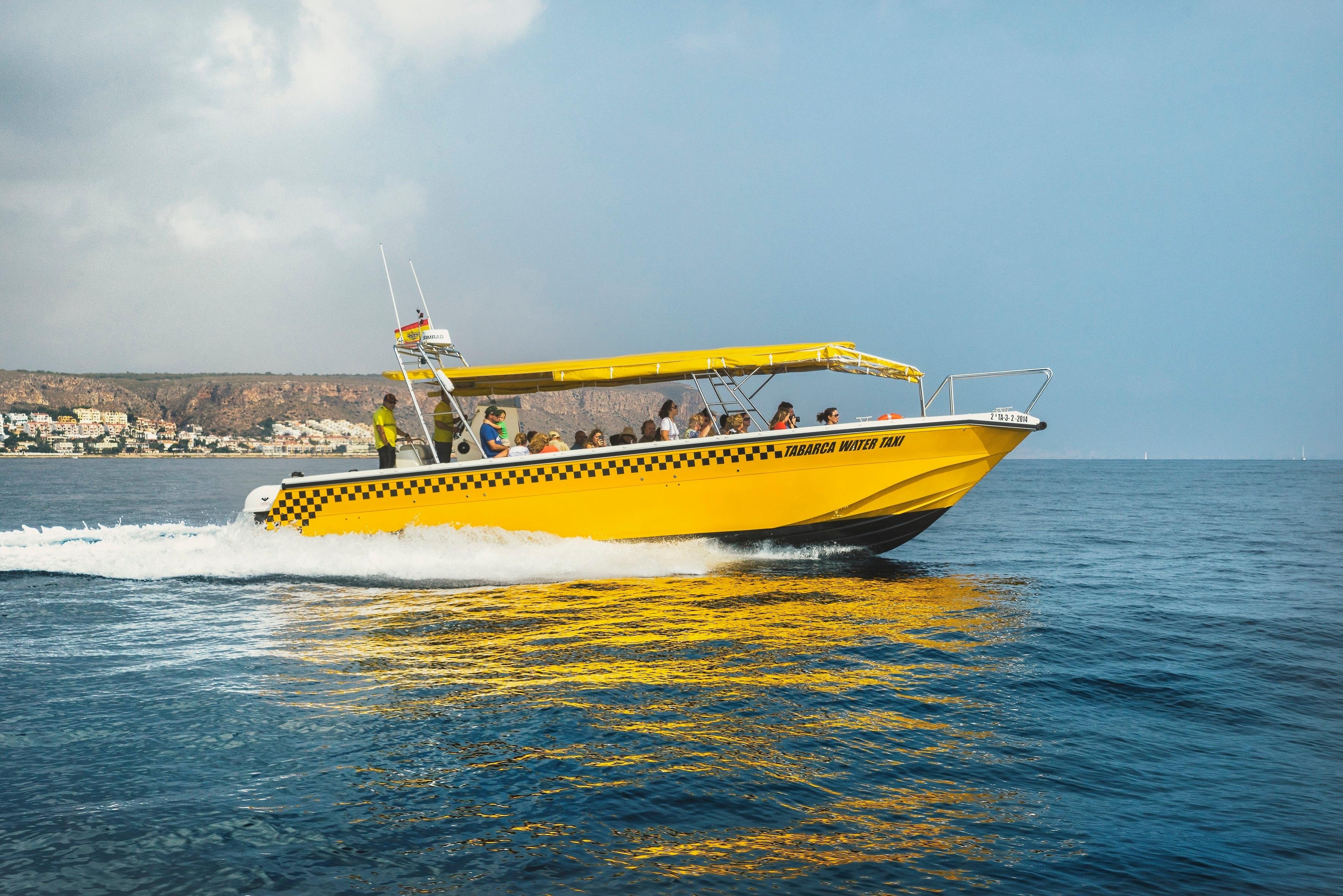
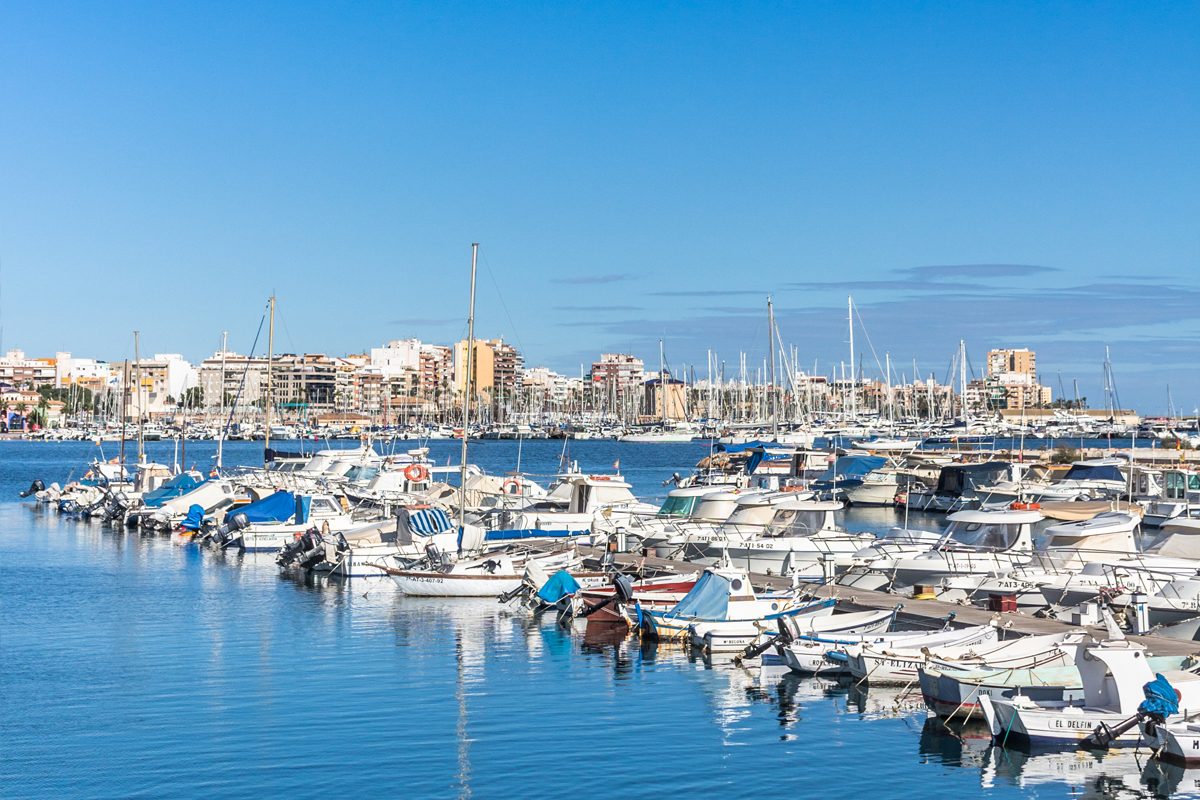
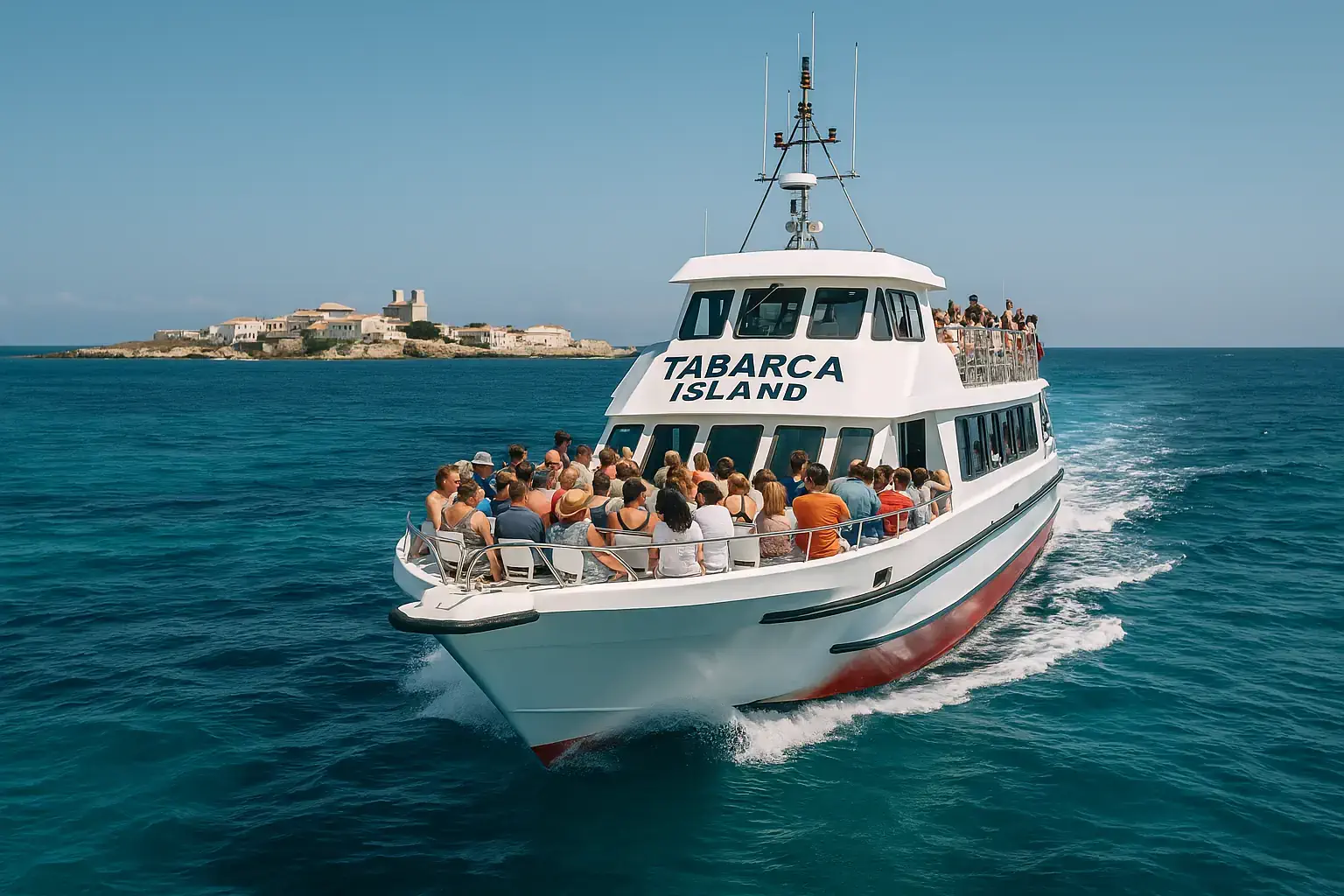
Torrevieja boat trips to tabarca operate from Paseo del Mar, the town's primary embarkation point facing the Dique de Levante breakwater. Most vessels are glass-bottomed catamarans or conventional ferries carrying between fifty and one hundred passengers. The twenty-minute crossing passes the Cape of Santa Pola to the north before approaching Tabarca's western harbour, where stone jetties shelter fishing boats and private yachts. Morning departures typically leave between 10:45 and noon, with return sailings scheduled from early afternoon through early evening.
The island's single village occupies the western third of the outcrop, its grid of eight streets terminating at the San Gabriel and San Rafael gates. Beyond the walls, footpaths cross scrubland to the lighthouse erected in 1854, the island's eastern terminus. Three small beaches — Playa Central within the harbour, Playa de la Cantera on the northern shore, and Playa de Levante facing the open sea — offer access to the marine reserve's clearest waters. Summer months bring day-trippers who fill the harbour-front restaurants specialising in caldero, the island's saffron-tinged rice dish cooked with rockfish and local catch.

In 1986 the waters surrounding Tabarca became Spain's first Marine Reserve, protecting 1,400 hectares of Posidonia meadows and endemic Mediterranean species.
Full refunds are available for cancellations made up to 1 hour before the scheduled departure. The 29 EUR round trip ticket fee is non-refundable if the cancellation window is missed.
Tabarca Island's transformation into a destination for torrevieja boat trips to tabarca began long before modern tourism, rooted in its 18th-century rebirth as a fortified settlement. In 1768, King Carlos III ordered the island—then a pirate refuge known as Isla de San Pablo—repopulated with Genoese families rescued from Tunisian captivity. The crown built a walled town, complete with a church, governor's house, and defensive bastions designed by military engineer Fernando Méndez de Rao. By 1770, fewer than seventy families inhabited the grid of narrow streets, their survival tied to fishing and the royal subsidy that sustained the garrison. Tabarca's isolation persisted through the 19th century, even as steamship routes connected coastal cities. The island's lighthouse, erected in 1854, became a navigational anchor for vessels trading between Alicante and Cartagena. Fishing remained the economic spine, with families netting bream and octopus in the surrounding Mediterranean reserve—Europe's first marine protected area, designated in 1986 to safeguard posidonia meadows and grouper populations. That conservation decree inadvertently seeded the island's tourism pivot, drawing divers and day-trippers curious about the submerged ecosystem. Regular passenger ferries linking Torrevieja Marina to Tabarca gained momentum in the 1990s, as Spain's Costa Blanca cemented its reputation for accessible coastal escapes. The round-trip crossing—typically thirty to forty-five minutes each way—allowed visitors to explore the baroque Iglesia de San Pedro y San Pablo and the crumbling fortifications without overnight stays. By the early 2000s, multiple operators offered torrevieja boat trips to tabarca tours, turning the island's summer population from a few dozen to thousands daily. The 2020 pandemic suspended services entirely for months, but routes resumed in 2021 with revised schedules. Today, boats depart Paseo del Mar throughout the warm season, the 29-euro adult ticket granting access to an island where history and marine ecology converge in a one-square-kilometer footprint.
King Carlos III orders Tabarca repopulated with Genoese families, constructing a walled town and military fortifications.
Fewer than seventy families settle the island under royal subsidy, relying on fishing and the garrison economy.
A navigational lighthouse is completed, guiding maritime traffic through the waters between Alicante and Cartagena.
Tabarca becomes Europe's first marine protected area, preserving posidonia seagrass beds and spawning grounds.
Scheduled passenger ferries from Torrevieja Marina establish regular service, opening the island to day-trippers.
Pandemic closures halt all boat operations; services resume with adjusted capacity and seasonal schedules.
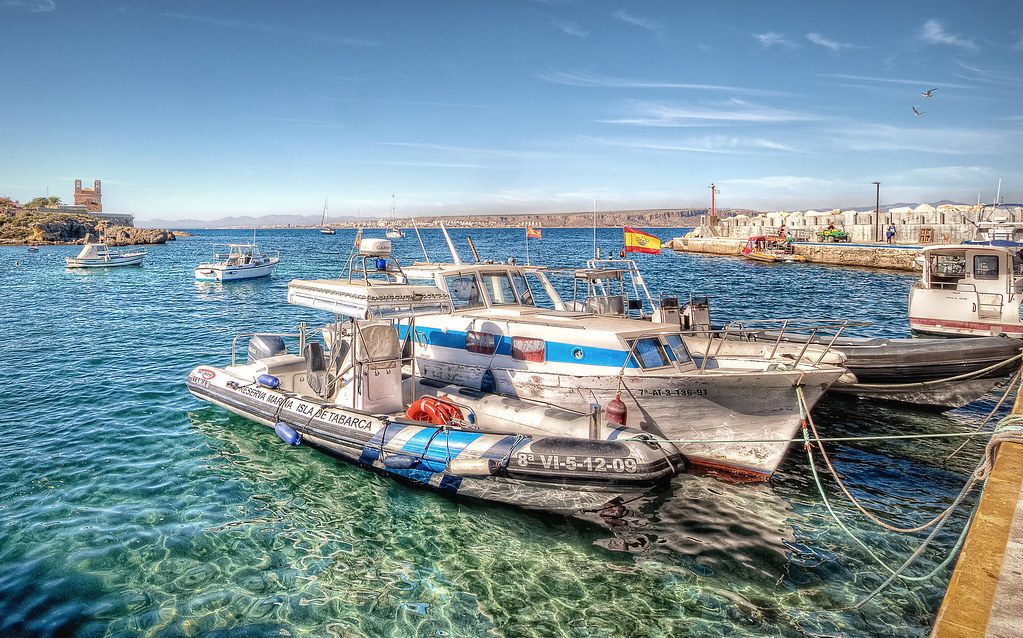
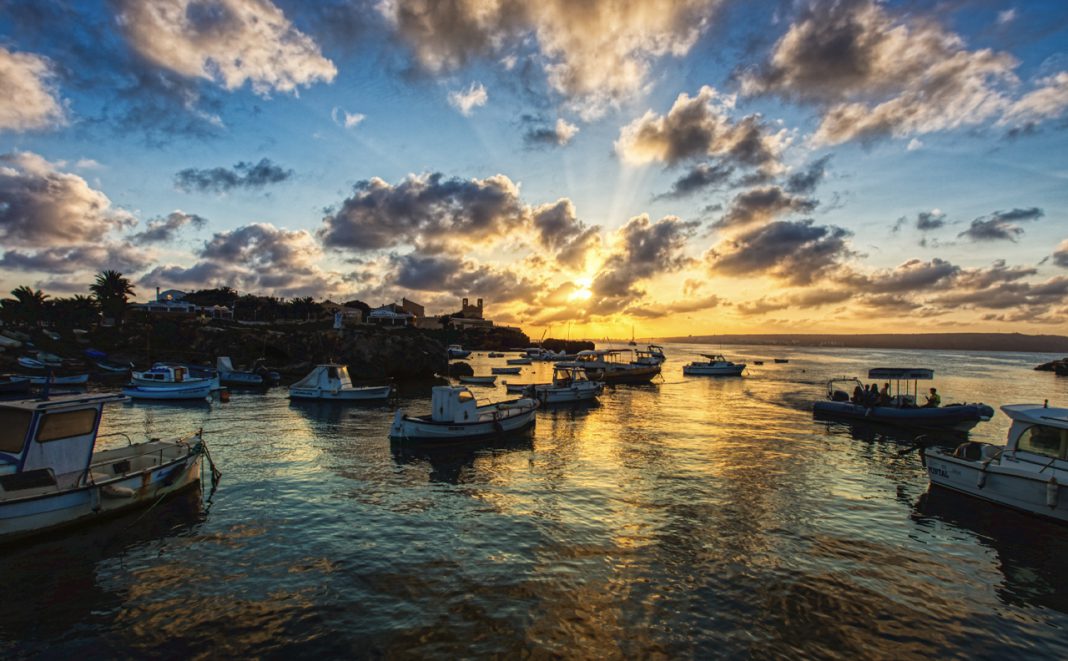
Position yourself along the promenade near the moorings to capture the vessels preparing for departure. This location provides a clear view of the marina activity before you board your torrevieja boat trips to tabarca.
Stand at the very front of the boat during the crossing to capture the open Mediterranean sea and the approaching coastline. The height offers an unobstructed perspective of the maritime horizon for your torrevieja boat trips to tabarca tour.
Upon arrival, this wooden landing area serves as the primary gateway for photography. Frame the crystal-clear water against the rustic stone structures of the island visible from your torrevieja boat trips to tabarca tickets purchase.
Walk toward the island center to find this historic building which contrasts with the surrounding blue waters. It is a central landmark for those capturing the heritage architecture during their excursion.
Taking the family on torrevieja boat trips to tabarca is a straightforward experience thanks to the accessible catamaran layout that suits all ages. Children will enjoy the underwater observation deck during the journey, while parents appreciate the flexibility of exploring the island at their own pace.
The catamarans are fully accessible for strollers and wheelchairs, and the island of Tabarca features flat, paved streets that are easy to navigate with young children in tow.
You will find convenient restrooms and bar service on the boats, plus designated sun-protected seating areas to keep everyone comfortable during the trip.
These torrevieja boat trips to tabarca tours are suitable for kids of all ages, with free passage for infants under two years old.
Remember to bring your own sunscreen, towels, hats, and swimsuits for the island, though you are welcome to carry your own food and drinks in a backpack or cooler.
To secure your spots, we recommend purchasing your torrevieja boat trips to tabarca tickets online in advance and arriving at the marina at least 20 minutes before your scheduled departure time.
Visitors planning torrevieja boat trips to tabarca find a variety of Mediterranean eateries lining the Paseo del Mar near the marina. Securing torrevieja boat trips to tabarca tickets early allows time to enjoy local refreshments before boarding the maritime transport.
Located directly at the marina, this spot offers fresh catches and views of the Mediterranean sea before your torrevieja boat trips to tabarca tour begins.;Cafetería La Marina
Everything you need to know for your journey
Yes, booking in advance is recommended to ensure your spot on the catamaran.
The boat trip typically takes about one hour each way, allowing for 6 hours of free time on the island.
Yes, the boats are equipped for mobility access.
Yes, you are encouraged to take photos during your maritime journey.
Once arrived, you can visit the historic ramparts, the Church of St. Peter and St. Paul, and the Governor's House.
Join thousands of happy travelers who have discovered this incredible experience
Book Your Experience Now